Severe Injury Settlement Over Collapsing Gate Incident
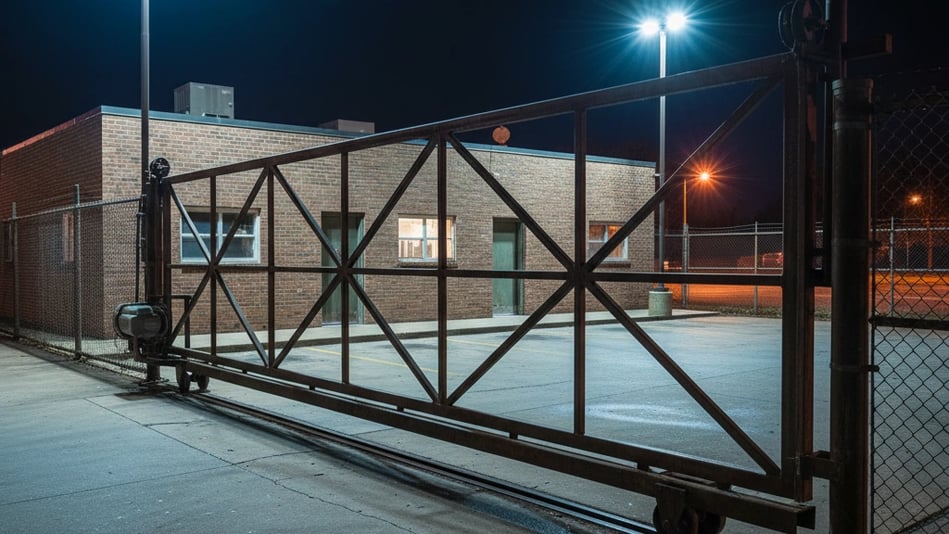
Table of Contents
Case Background
This civil lawsuit arose from a late-night accident behind a commercial center in Stanton, California. Plaintiffs Christopher Huynh and his wife, Christine Vu, brought the action in Orange County Superior Court. They claimed that a 60-foot manual sliding gate, installed behind the property where Huynh operated his restaurant and banquet business, collapsed on him during closure. The incident occurred around 1:00 a.m. on March 26, 2023, after an event at Crystal Restaurant & Banquet.
The couple argued that the Defendants California Properties Commercial Management, Inc., property managers Hamid Eghrari and Roy Egari, and the Egari Family Trust controlled, maintained, and oversaw the premises, including the parking lot where the gate stood. They said the Defendants insisted that Huynh close the heavy manual gate each night to keep transients out. Other tenants earlier complained that the gate was unsafe, but no corrections were made.
The case moved through discovery for more than a year before the parties reached a settlement shortly before trial.
Cause
The complaint stated that the Defendants installed the large metal gate without proper permitting or qualified labor. The gate required physical strength to slide open and closed, and tenants reported that it felt unstable. According to the Plaintiffs, the Defendants ignored these warnings.
Huynh followed instructions, walked to the gate after the event, and attempted to slide it shut. The gate suddenly toppled toward him. Because of its size and weight, it pinned him to the ground and crushed his back and ribs. A vendor’s employee saw Huynh lying on the ground, bleeding and unable to move. The witness called Vu, who immediately called 911.
Injury
Paramedics arrived within minutes and took Huynh to West Anaheim Medical Center. Doctors determined that his injuries required trauma-center care, so he was transferred to UCI Health. His injuries included a burst fracture of the lumbar spine, spinal cord trauma, paralysis, multiple rib fractures, a collapsed lung, and internal complications, including bladder and bowel dysfunction.
He underwent rib metal plating surgery and a thoracolumbar spinal fusion. After three weeks at UCI, he moved to St. Mary’s Medical Center for five weeks of rehabilitation. Even after discharge, he required months of in-home therapy.
Huynh lost nearly all physical mobility and could no longer run his restaurant or support his family. Vu became his full-time caregiver, assisting him with meals, bathing, dressing, transportation, and medical treatments. She also stepped into the role of managing what remained of the business.
Damages Sought
The Plaintiffs sought general damages for pain, emotional distress, and suffering; special damages for extensive medical care; future medical needs; lost income; lost earning capacity; and punitive damages. Vu sought compensation for loss of consortium, explaining that her husband could no longer provide the companionship, partnership, support, and services he once offered.
The complaint detailed long-term disability, permanent life changes, and medical needs that would continue for decades.
Key Arguments and Proceedings
Legal Representation
Plaintiffs: Christopher Huynh | Christine Vu
· Counsel for Plaintiffs: Jemma E. Dunn | Emily N. Malloch
Defendants: California Properties Commercial Management, Inc | Hamid Eghrari | Roy Egari | Egari Family Trust
· Counsel for Defendants: James J. Braze
Key Arguments or Remarks by Counsel
During the proceedings, Plaintiffs’ counsel described the gate as a “ticking disaster” that the Defendants created through an unpermitted installation and ignored afterwards. They emphasized that tenants warned management about instability. They argued that Huynh simply followed instructions, and the collapse was predictable and preventable.
Defense counsel argued that the Plaintiffs overstated the danger and that Huynh contributed to the accident by pulling the gate in an unsafe manner. They also argued that the gate posed no risk when used carefully and denied receiving proper notice of any defect. They disputed the severity of future medical needs and questioned whether the family business would have remained profitable regardless of the incident.
Claims
Negligence
The Plaintiffs said the Defendants created an unsafe condition by installing a heavy, unstable gate in a high-traffic area used by tenants. They stated that the Defendants failed to maintain, inspect, or repair the gate and failed to warn tenants of its danger.
Premises Liability
The complaint stated that the Defendants controlled and managed the property and owed a duty to keep it safe. They argued that the Defendants ignored notice of the risk and left the gate in a dangerous condition that caused the collapse.
Nuisance
The Plaintiffs claimed the faulty gate deprived them of safe and reasonable use of the rented premises. They asserted that the Defendants’ failure to correct the problem made the condition a continuing nuisance.
Loss of Consortium
Vu brought her own claim, explaining that her marriage changed dramatically after the incident. She lost her partner’s companionship, intimacy, daily support, and financial stability. Her role shifted from spouse to caregiver.
Defense
The Defendants filed a formal answer denying all allegations. They argued that Huynh’s own negligence contributed to his injuries and that he placed himself in danger. They also argued assumption of risk, trivial-defect doctrine, and lack of notice. They claimed any damage resulted from causes other than their conduct. They also raised statute of limitations defenses and comparative negligence.
Defense experts testified that the gate met ordinary safety expectations and that improper handling could cause instability. They challenged the scope of the medical treatment and life-care projections.
Settlement
After months of discovery and expert testimony, the case moved toward trial. Mediation sessions continued through early 2025. As both sides prepared for jury selection, settlement discussions intensified.
The parties reached a final agreement for $10,800,000, compensating Huynh for permanent injuries and future care needs and compensating Vu for loss of consortium. The settlement resolved all claims against all Defendants.
The payment represented the severe and permanent nature of Huynh’s injuries and the life-altering impact on the couple’s future.
Court documents are available upon request at jurimatic@exlitem.com