Hartford Jury Clears Vulcan in Teen Pool Drowning Case
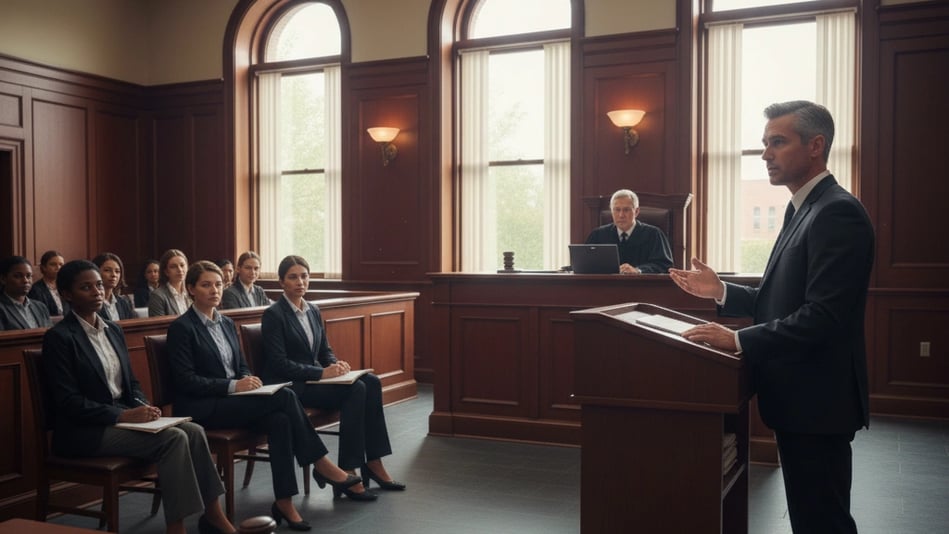
Table of Contents
Case Background
On July 3, 2018, a hot and humid summer night in Hartford turned tragic at the Keney Park Pool. Sixteen-year-old Jaevon Whyte, along with other teenagers, entered the pool area after hours. The pool was closed, no lifeguards were on duty, and warning signs were in plain view. Despite the risks, Jaevon joined his friends in the water. By the early hours of July 4, he drowned.
His mother, Marilyn Whyte, believed that the death could have been prevented. Years earlier, the City of Hartford had installed a surveillance and security system at the pool after another drowning. The system, designed and installed by Vulcan Security Technologies, was supposed to alert officials if anyone entered the pool after hours. On the night Jaevon died, the system provided no warning.
Marilyn Whyte, as administratrix of her son’s estate, filed a lawsuit in 2020. She claimed that Vulcan’s defective product and broken promises played a role in her son’s death.
Cause that led to the dispute
Whyte’s complaint accused Vulcan of negligence and product liability. She argued that the company designed, built, and sold a system that could not withstand hot summer conditions, even though it was meant for use during that season. She said Vulcan failed to test the system properly, ignored design flaws, and failed to warn that the equipment might not work during extreme heat and humidity.
She claimed the system was supposed to act as a safeguard against unauthorized entry but failed completely. Without the promised alerts, city officials never knew that Jaevon and others were inside the pool that night.
Vulcan denied responsibility. It admitted contracting with Hartford to install the cameras but rejected the claims of defective design and misrepresentation. The company argued that Jaevon’s own decisions, not any product failure, caused his death.
Injury
The complaint described Jaevon’s final hours as filled with fear and pain. His estate claimed he endured mental suffering and physical struggle before drowning. The lawsuit also noted the broader loss: his inability to live a full life, pursue opportunities, and enjoy everyday experiences.
The estate argued that his death robbed the family of companionship and financial support he might have provided in the future. Funeral and burial costs added to the losses.
Damages
Whyte sought compensatory damages well beyond the statutory threshold of $15,000. Her claims included medical and funeral expenses, lost earning capacity, loss of enjoyment of life, and damages for the wrongful death itself. She also sought punitive damages, alleging reckless disregard for safety, fraudulent concealment of defects, and violations of consumer protection laws.
The complaint emphasized that Vulcan marketed itself as an expert in safety and reliability, yet failed to deliver a system fit for its advertised purpose.
Key Arguments and Proceedings
Legal Representation
Plaintiff: Marilyn Whyte, Administratrix of the Estate of Jaevon Whyte
· Counsel for Plaintiff: Kaitlin A. Halloran| Matthew C. Sorokin
· Experts for Plaintiff: Robert B. Cox | Robert Shoremount | Steven J. Shapiro
Defendant: Vulcan Security Technologies, Inc.
· Counsel for Defendant: Ashley A. Noel | Matthew J. Parenti
· Expert for Defendant: Jeffrey D. Zwirn
Grounds for the Lawsuit
Product Liability
The estate claimed Vulcan sold a defective system unfit for its intended use. It argued the system failed during the July 2018 heat wave when it was most needed.
Recklessness
The complaint said Vulcan showed reckless disregard for safety by selling and installing a system it knew was prone to failure, just to secure profits.
Breach of Warranty
Whyte claimed Vulcan expressly and implicitly warranted that the system would protect the public by detecting unauthorized entry, but the warranties proved false.
Fraud and Misrepresentation
The estate alleged that Vulcan intentionally concealed defects, advertised the system as reliable, and misled Hartford officials and the public.
Unfair Trade Practices
Finally, Whyte accused Vulcan of deceptive business conduct under Connecticut’s Unfair Trade Practices Act, claiming the company profited by selling unsafe and unreliable systems.
Countering the Claims
Denials
Vulcan admitted its role in installing the system but denied that it was defective or responsible for the drowning. The company rejected claims of fraud, warranty breach, and recklessness.
Special Defense – Comparative Responsibility
Vulcan argued that Jaevon bore responsibility for his own death. It emphasized that he trespassed into the pool after closing, ignored warning signs, and entered the water even though he could not swim. The defense stressed that he climbed multiple fences, disregarded “No Swimming Without Lifeguard” signs, and failed to use flotation devices.
Vulcan’s attorneys argued that the tragedy resulted from Jaevon’s actions, not the company’s equipment.
Key Arguments by Counsel
Plaintiff’s attorneys told jurors that Vulcan marketed peace of mind but delivered a defective product. They described Jaevon as a victim of both poor design and broken promises.
Defense counsel countered that the case was about responsibility. They reminded jurors that Jaevon knowingly trespassed, ignored warnings, and entered deep water without knowing how to swim. Vulcan, they said, should not bear legal blame for choices outside its control.
Jury Verdict
After years of motions, depositions, and courtroom arguments, the case reached a Hartford jury in October 2024. Jurors listened to both sides: a grieving mother who said her son’s death stemmed from corporate neglect, and a company insisting it could not be blamed for a teenager’s dangerous choices.
On October 24, 2024, the jury returned its decision. They passed a verdict in favour for the Defendant, Vulcan Security Technologies and against the Plaintiff. The verdict meant the estate recovered nothing.
The decision ended a high-stakes trial that balanced corporate accountability against individual responsibility. For Marilyn Whyte, the ruling closed the legal chapter of her son’s death but left the emotional wounds unhealed. For Vulcan, it meant a public defense of its reputation and no financial liability in this case.